


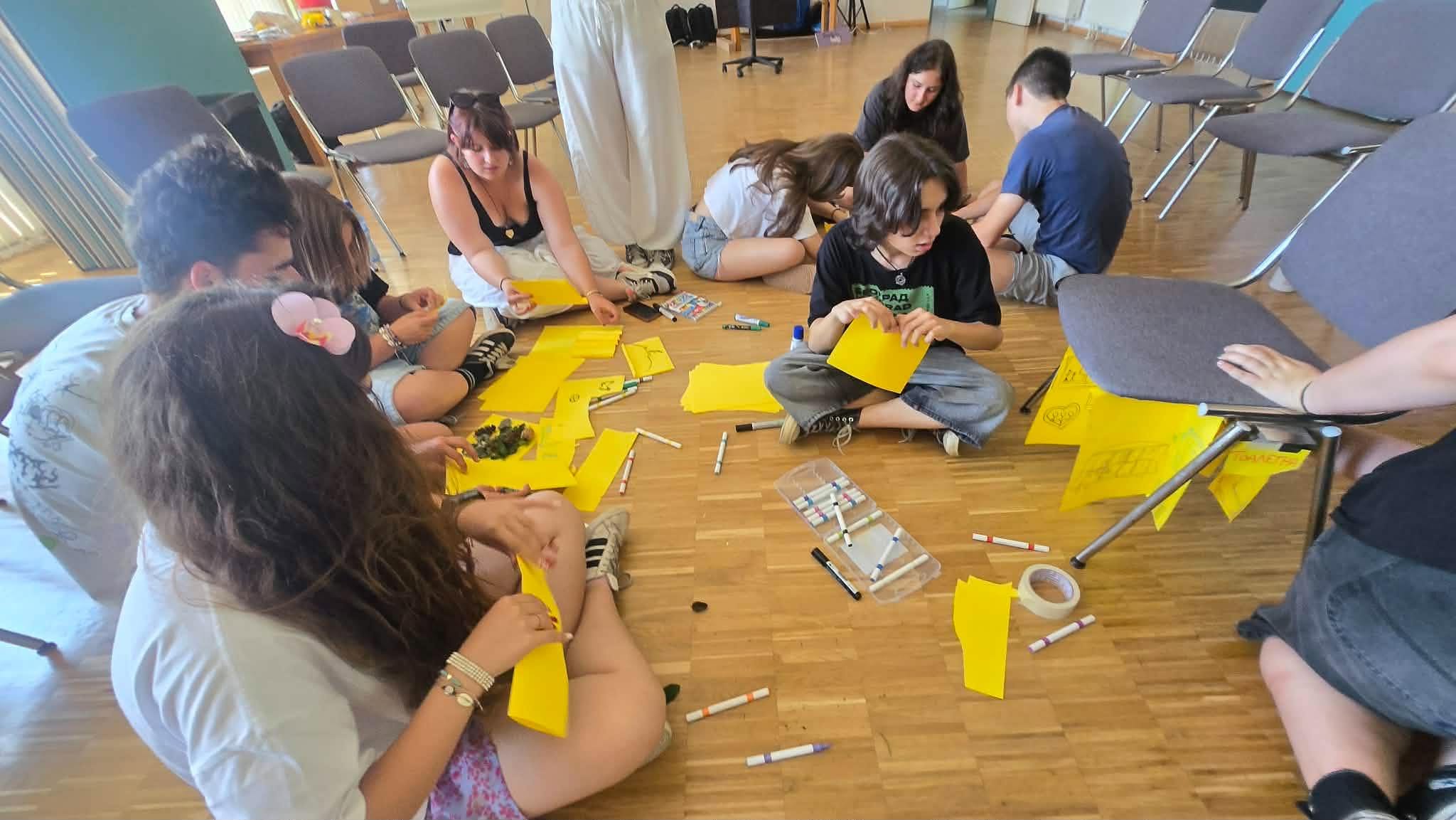
Over the past few months, the PULSE Foundation team has been conducting a series of focus groups with young people and professionals working with children and youth in Pernik and Kardzhali. These meetings give us the opportunity to hear different perspectives on the risks young people face online and on the ways in which we can build a safer digital environment for them.
The focus groups are part of the international project SAFE AI – “Solutions to AI-Facilitated Violence: Adolescent-led Innovations”, implemented in 2026–2028 with the financial support of the European Union under the CERV-DAPHNE programme. The PULSE Foundation is a partner in the initiative, which brings together organizations from France, Bulgaria, North Macedonia, Denmark and Portugal. The main goal is the prevention of online gender-based violence among children and young people, including new forms of violence and manipulation related to the use of artificial intelligence.
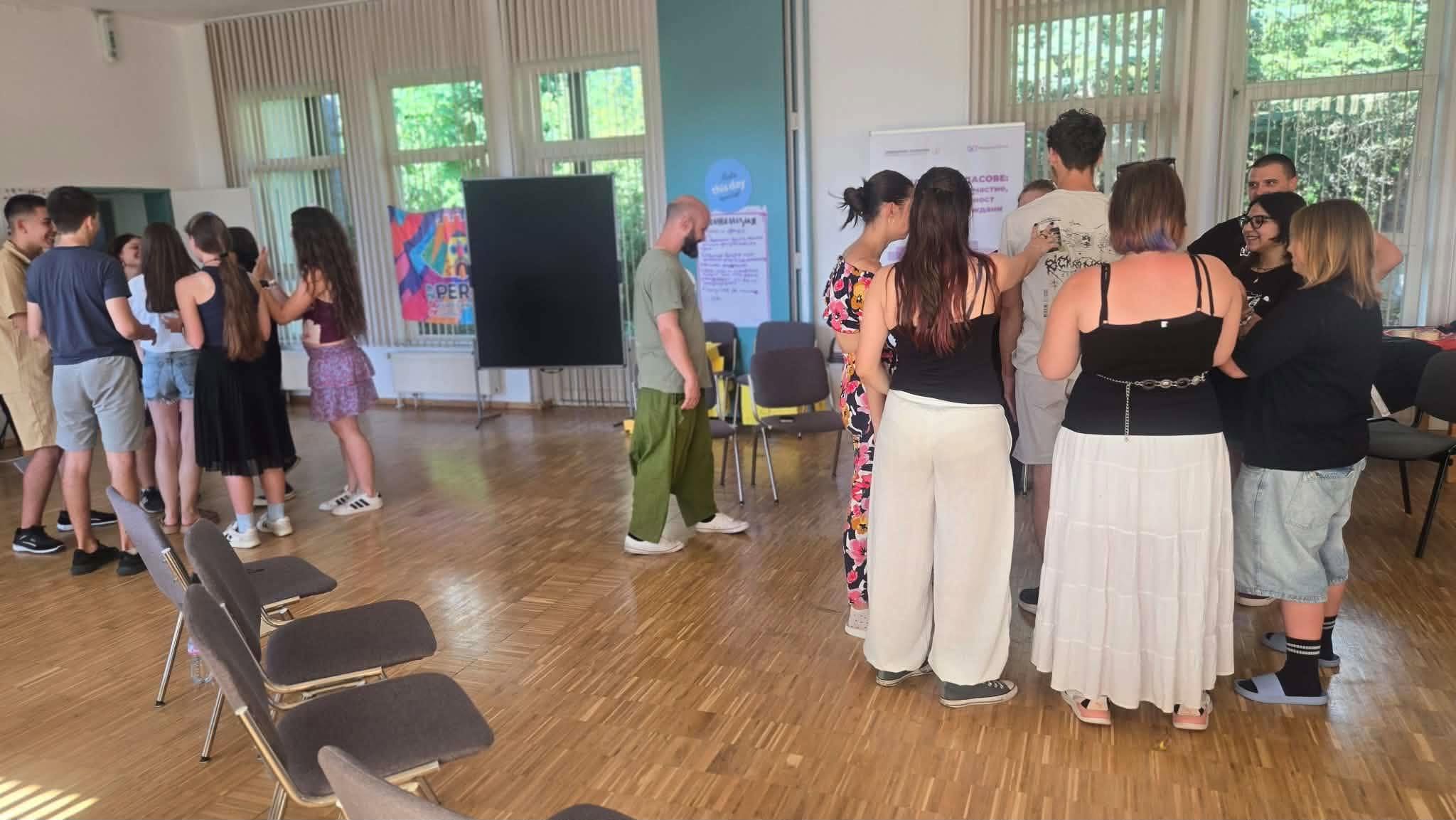 The focus groups involve young people aged 13 to 17, as well as youth workers and professionals who work with children and young people. It is important to us to gather both the first-hand experience and perspective of young people and the observations of the specialists who encounter their questions, difficulties and needs every day. In the process, we pay special attention to the perspectives of children and young people who, due to various life circumstances, may be at higher risk of social and digital exclusion or face more barriers when seeking support. We strive to include young people living in residential services or other forms of alternative care, children and young people from vulnerable and marginalized communities, including the Roma community, as well as LGBTQIA+ youth. Our aim is not to put participants into categories, but to understand how different social, cultural and life factors can affect their experiences online, their access to information and support, and their ability to protect themselves. In this way, we want the future SAFE AI tools and solutions to be accessible, inclusive and applicable to different groups of young people, including those whose voices less often reach such initiatives..
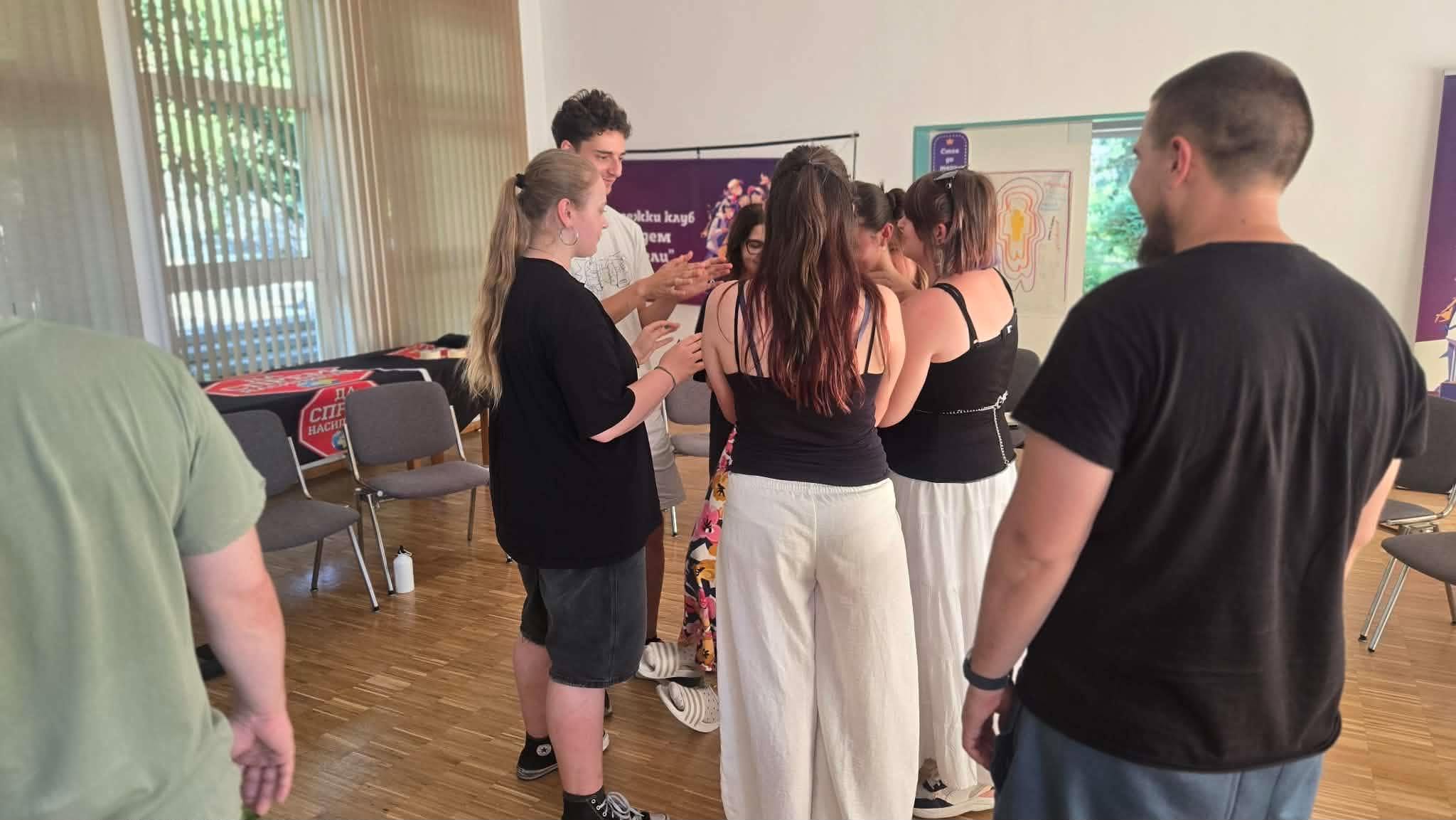
The conversations focus on topics that are increasingly present in young people’s everyday lives – online stereotypes and toxic masculinity, recognizing manipulation and content created through artificial intelligence, personal boundaries in the digital space, online self-protection, and the safe and gender-sensitive use of social media. We also discuss how young people recognize and respond to the different forms of online gender-based violence.
But our focus is not only on the risks. We want to understand what makes young people feel safer online, how they protect themselves, what resources they have for coping, whom they would turn to for help, and which tools would actually be useful to them. An important part of the process is also to see which groups of young people may be more vulnerable and how different social and life circumstances affect their experiences in the digital environment.
By the end of October, we expect to complete this stage of our work by holding all planned focus groups in Pernik and Kardzhali. The opinions, ideas, observations and recommendations collected will be summarized and used in the next stages of the project – in developing and adapting educational workshops, materials and practical tools for digital safety. The project specifically provides for the feedback from young people to be used for the subsequent adaptation of the methods and materials developed.
Because when we look for solutions for a safer digital environment for young people, it is important to hear from them first.
Solutions to AI-Facilitated Evils: Adolescent-led Innovations project is funded by the European Union. Views and opinions expressed are however those of the author(s) only and do not necessarily reflect those of the European Union or the granting authority. Neither the European Union nor the granting authority can be held responsible for them.